
Will travel for bread
Wanted to write a little tribute to Maine. With the help of the Greater Columbus Arts Council, I flew from a soggy kitchen (more on this later) through the night, to a beautiful weekend at the Maine Kneading Conference with people who really love grain. "How do you hold your lame?" one maltster asked me. Another attendee made a casual reference to the Maillard reaction. We were speaking the same language.
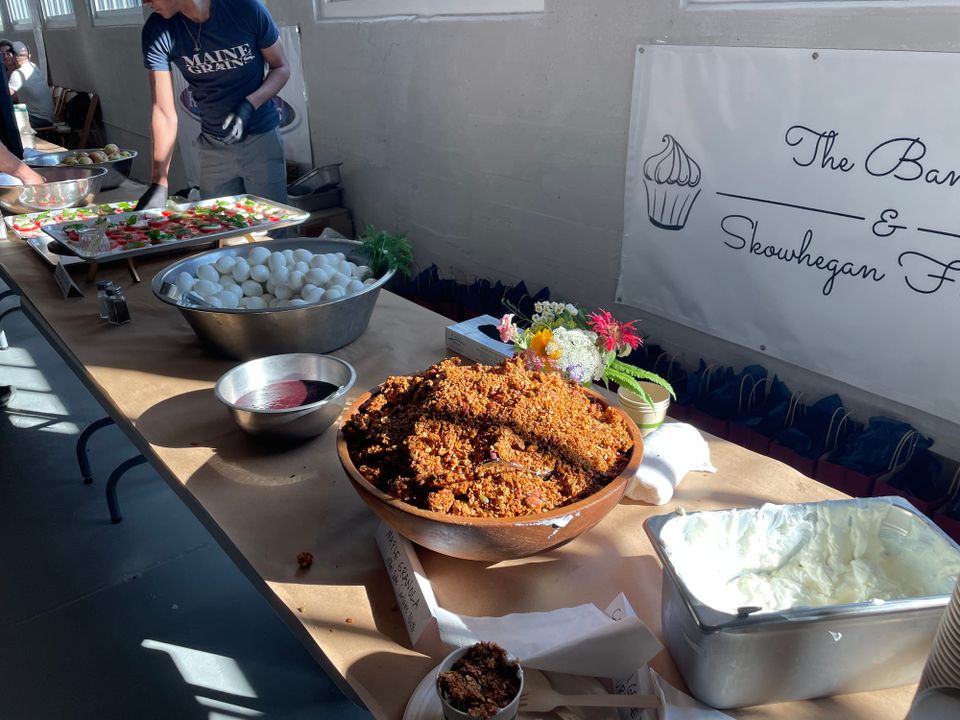
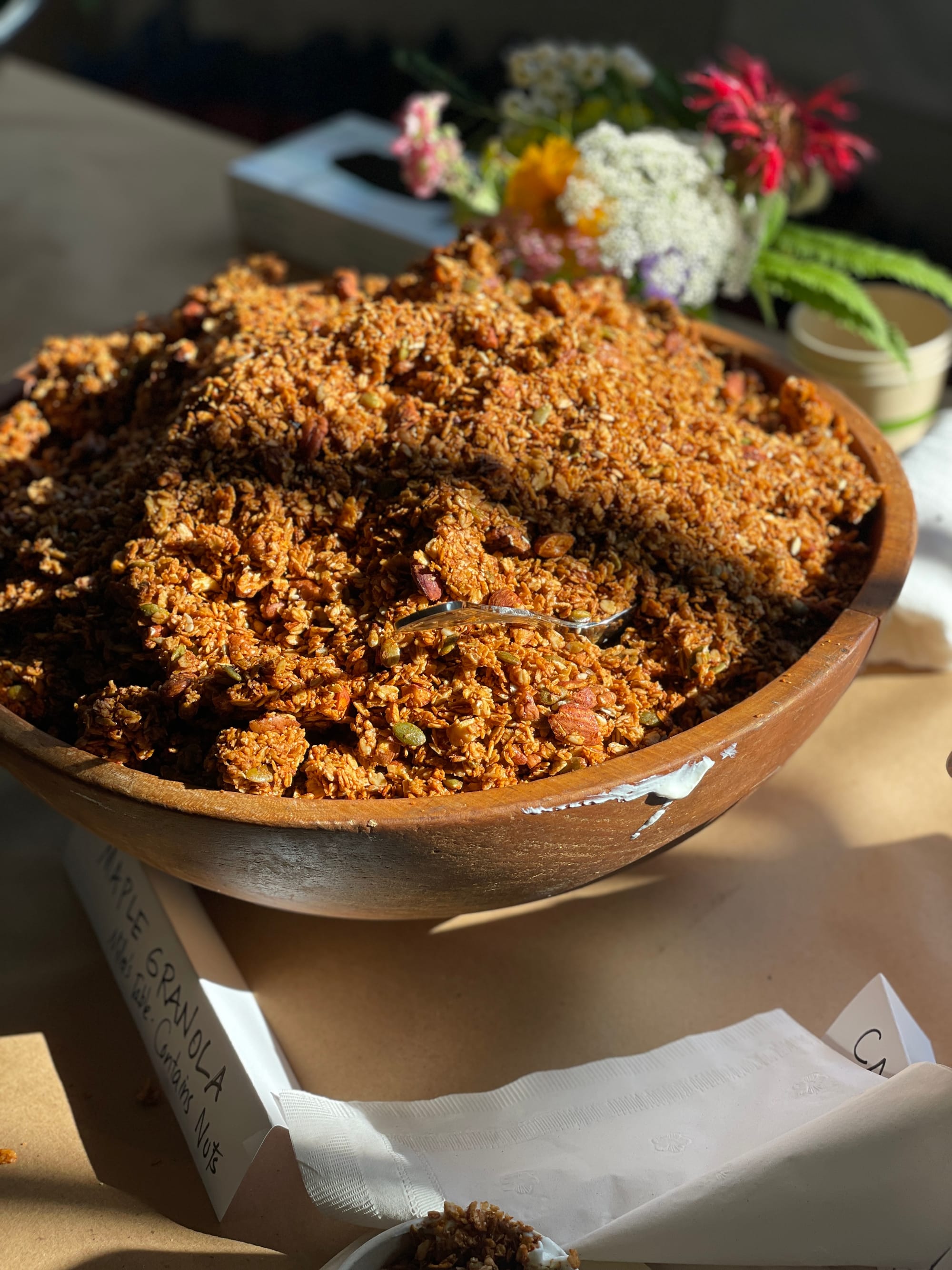
Here is the breakfast I will dream about for the rest of my life.
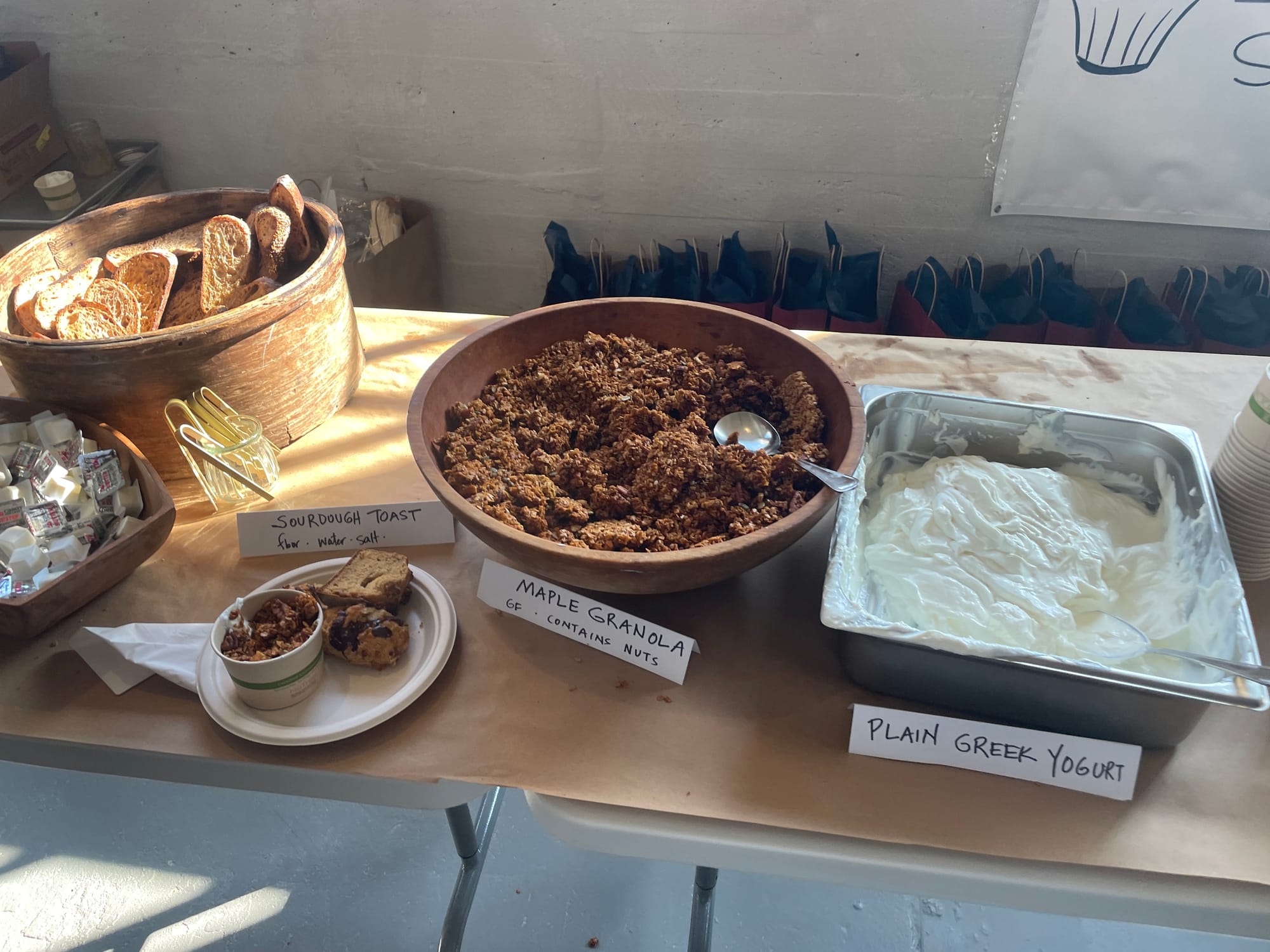
I ran into Alexis Mersel, who is running a pizza catering business in Columbus (Croûte; pop-up at grain + grape coming October 3, I hear). Within two minutes, she said, "Don't you think about that breakfast all the time?" Absolutely.
I'd read about the Kneading Conference in Wordloaf, Andrew Janjigian's newsletter, a few years ago. Increasingly, I've found myself traveling to talk with farmers, millers, and bakers about how to strengthen these connections within our local communities. My sister and I met Patrick Shaw-Kitch and Laura Huss last December at a long communal table at Brooklyn Granary + Mill, and admired the stained glass window (they received it as a wedding gift, but it had been in a closet until the bakery became a reality).
After speaking with Doris Bozzi of Local Millers in Columbus, Ohio, I wrote a little article about her work for Columbus Monthly--and then realized I had a lot more to say than could fit in that one piece. Interviewed a dozen leaders in the food industry about their work, and especially loved talking with Karen DeMasco about her new grain mill at Gramercy Tavern, which has sent me further down the rabbit hole. I sat down with Marco Canora of Hearth to talk about his first mill for the restaurant and the grain program at the NYC Greenmarket; he sent me out with two cups of his famous broth. Dragged my family to Ithaca, New York to try Wide Awake Bakery and tour Farmer Ground Flour, to learn more about how they built their program. And last week I went to Dayton, Ohio with the Bread Bakers' Guild of America to visit Andrew and Morgan's operation at Good Hands Bread Co., which opened only six months ago; to tour Dorothy Lane Market; and to meet Jon Branstrator, who is "the Red Fife guy" in our part of the world, working land that has been in his family for five generations with regenerative farming practices that have yielded impressive results. Again, more soon--I could and probably will write you plenty about each.
In Maine, I toured the Maine Grains building, a former jail that Amber Lambke felt somebody should turn into a business--ultimately, she co-founded it herself.
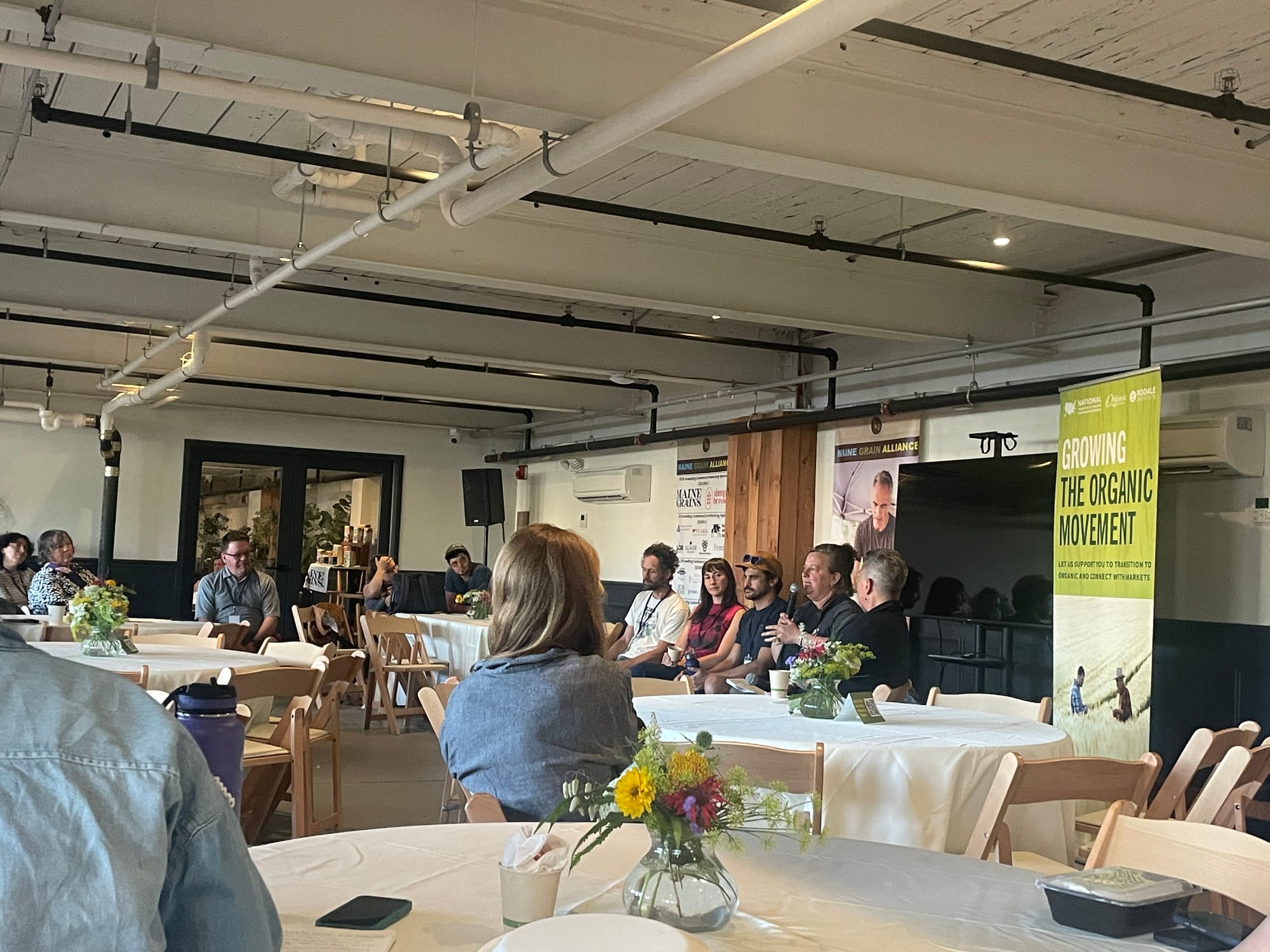
On a panel that weekend, she said she and her neighbors were having conversations about straw value and feeding value.The question flipped immediately: Can we grow grains in Maine that we can turn into food? How do we relearn this skill? How can we retool our land? They needed infrastructure to clean and process grains, and to hull oats--Maine is an oat-growing state.
"You start peeling back the layers of the onion," she said. Oats were being grown in Maine, and being tilled back into the soil. Canadian farmers were getting $1 a bushel and weren't sure it was worth the gas to transport them to the U.S. In terms of funding, grain was too niche. But food hubs people were interested in. The Maine Grains model makes sense to most people who attend a local grain conference, right? But paying above market value to support your farmers takes a little explaining. Amber said they're working toward farmers making money from the grains they're growing, doing hard work that's undervalued in our society to build sustainable local food systems.
If I could have stayed for the weekend, I would have been at the outdoor film festival, where "Fork in the Road," a documentary executive produced by Nick Offerman and directed by Jonathan Nastasi and Vivian Sorenson (who worked with Chopped for 15 years), about how food is produced in the U.S. (here's a clip).
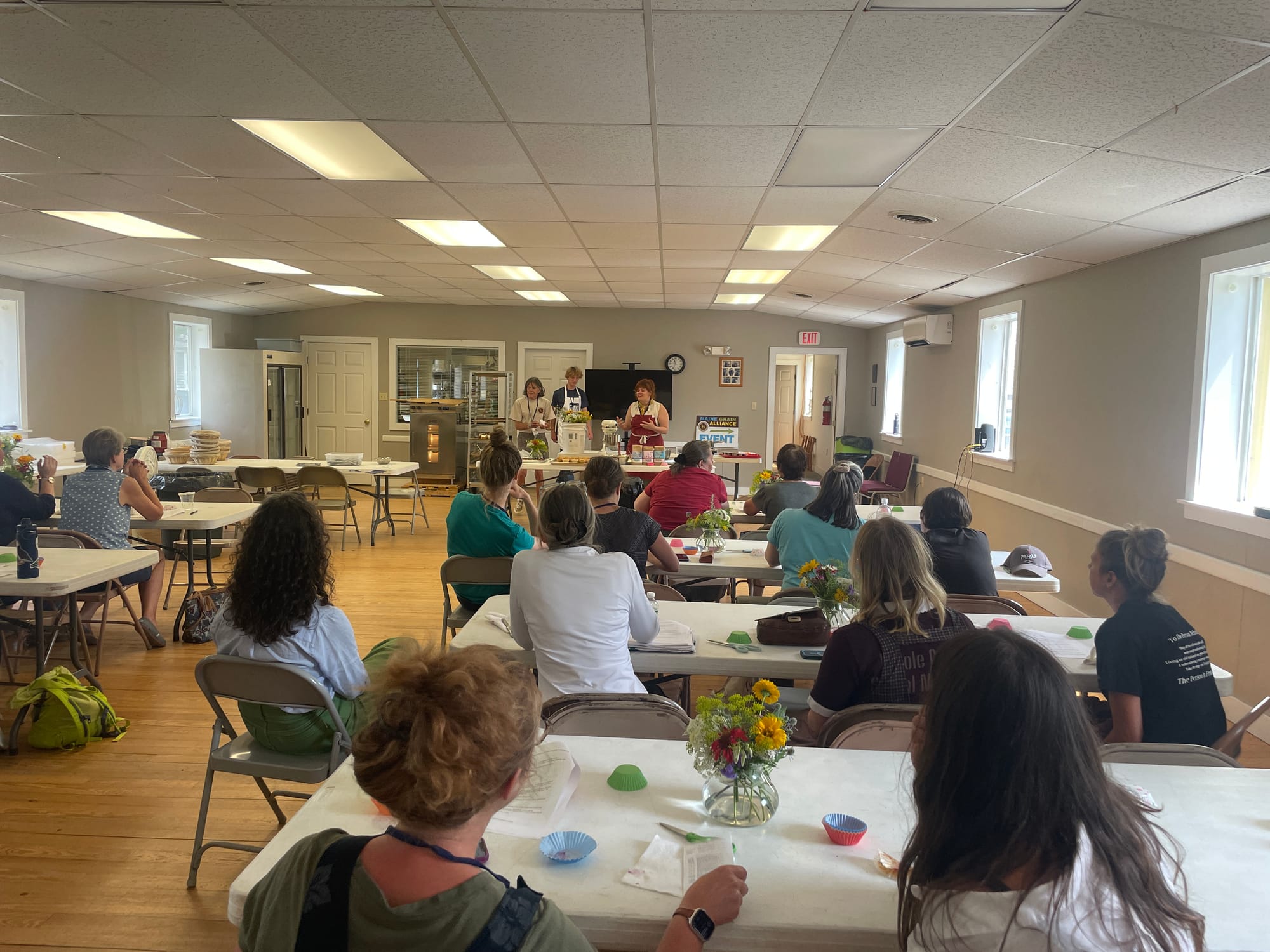
Rose Wilde, author of Bread and Roses, taught one of the liveliest, smartest workshops I've ever attended. She has a great sense of humor, tells a good story, and knows her stuff--she threw in tips and tricks as she stirred buttercream for us (she made each kind to show us the differences in flavor and techniques). Plus, the lemon curd and jam she offered us were out of this world.
Her book on Tiny Cakes is out with Chronicle next April.
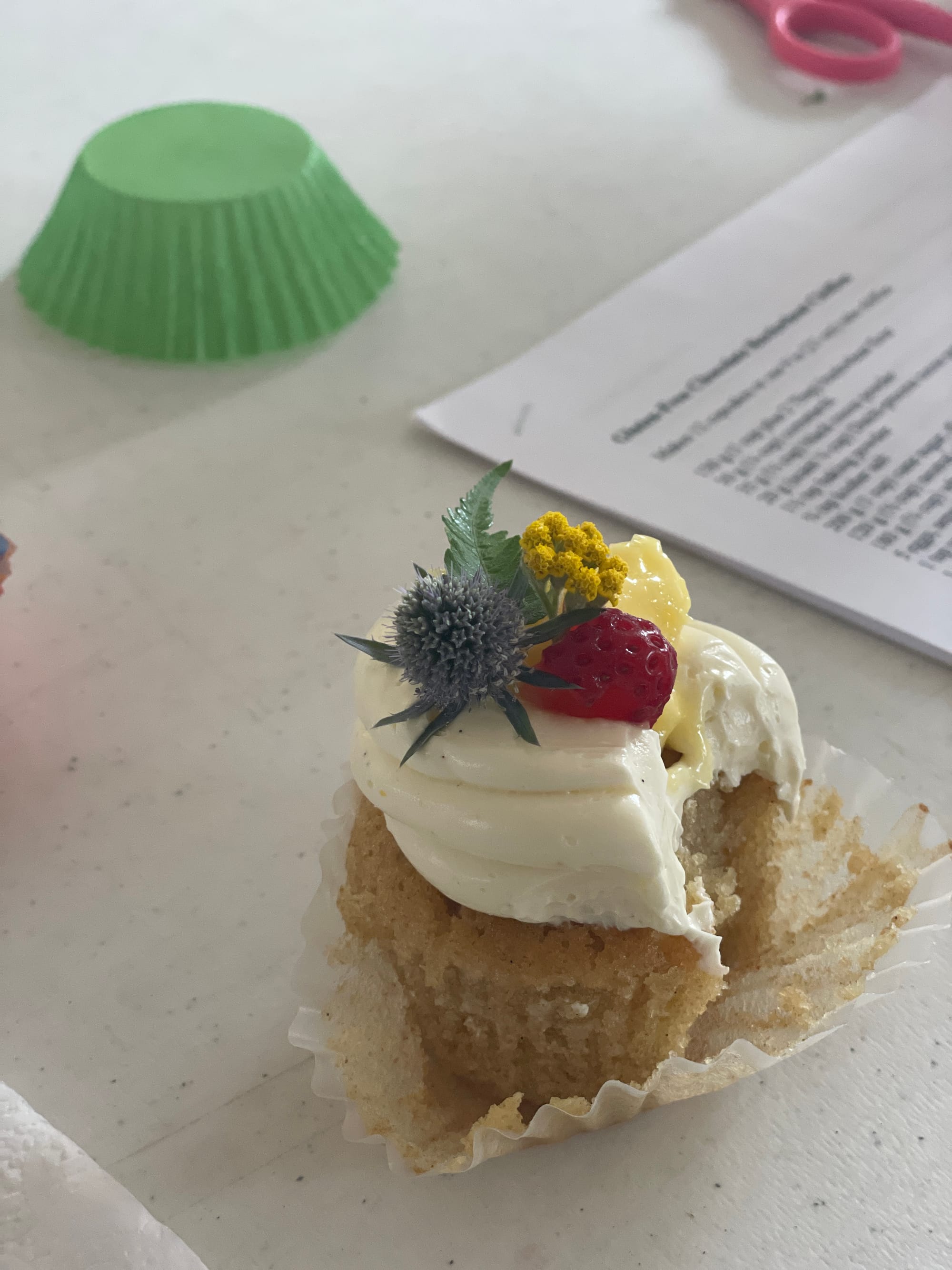
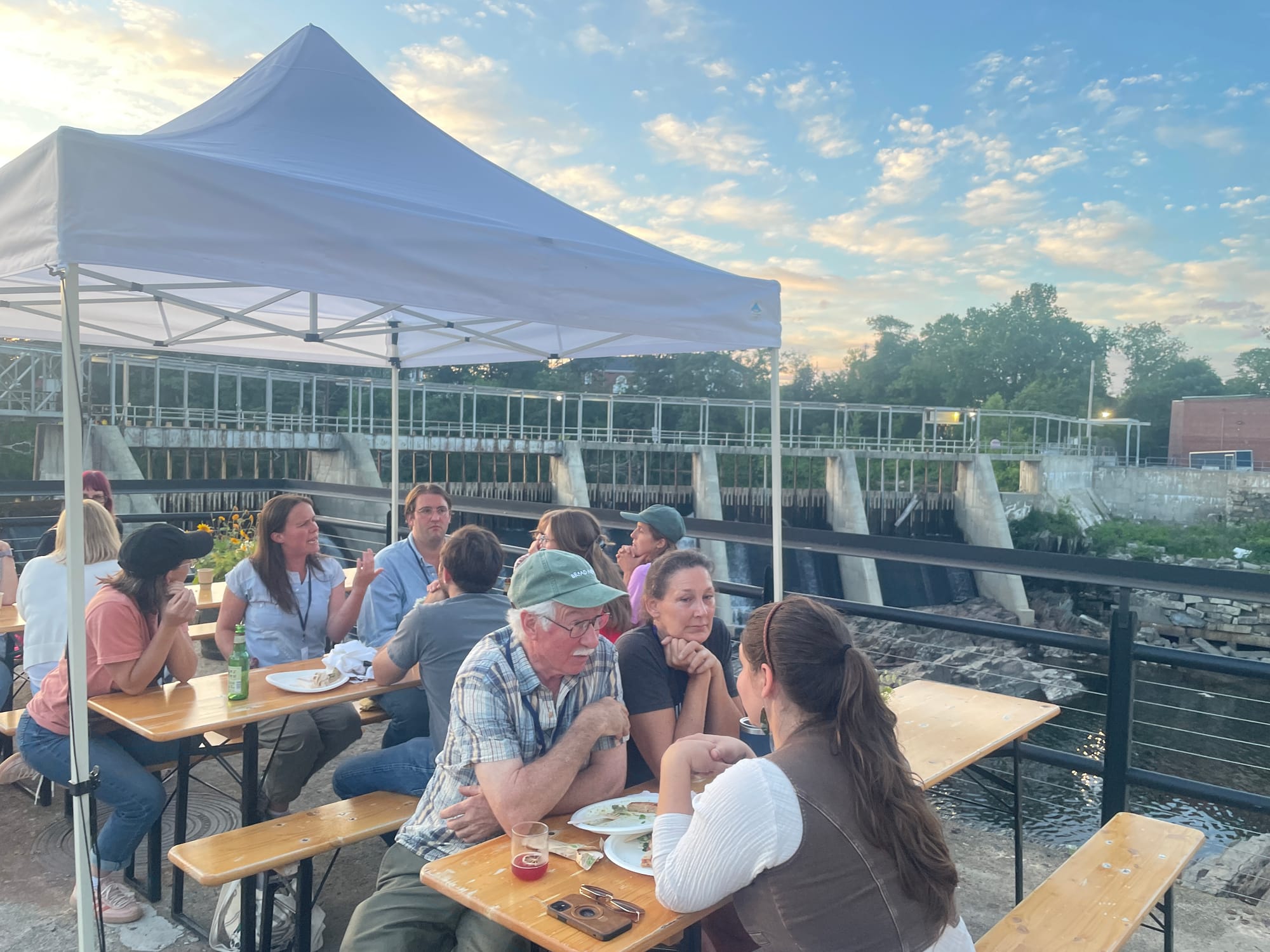
I carried my second cupcake with me all day to eat after the conference. Someone told me it had become a defining characteristic. (It dropped on the ground here, after dinner, as we sat by the water to talk with other bakers.)
Airport security searched the oats, masa, and mushrooms I brought home from the conference, but it was worth it.
I wanted to make something special with those Maine Grains oats, so what better than Rose Wilde's Oatmeal Chocolate Chip Cookies?
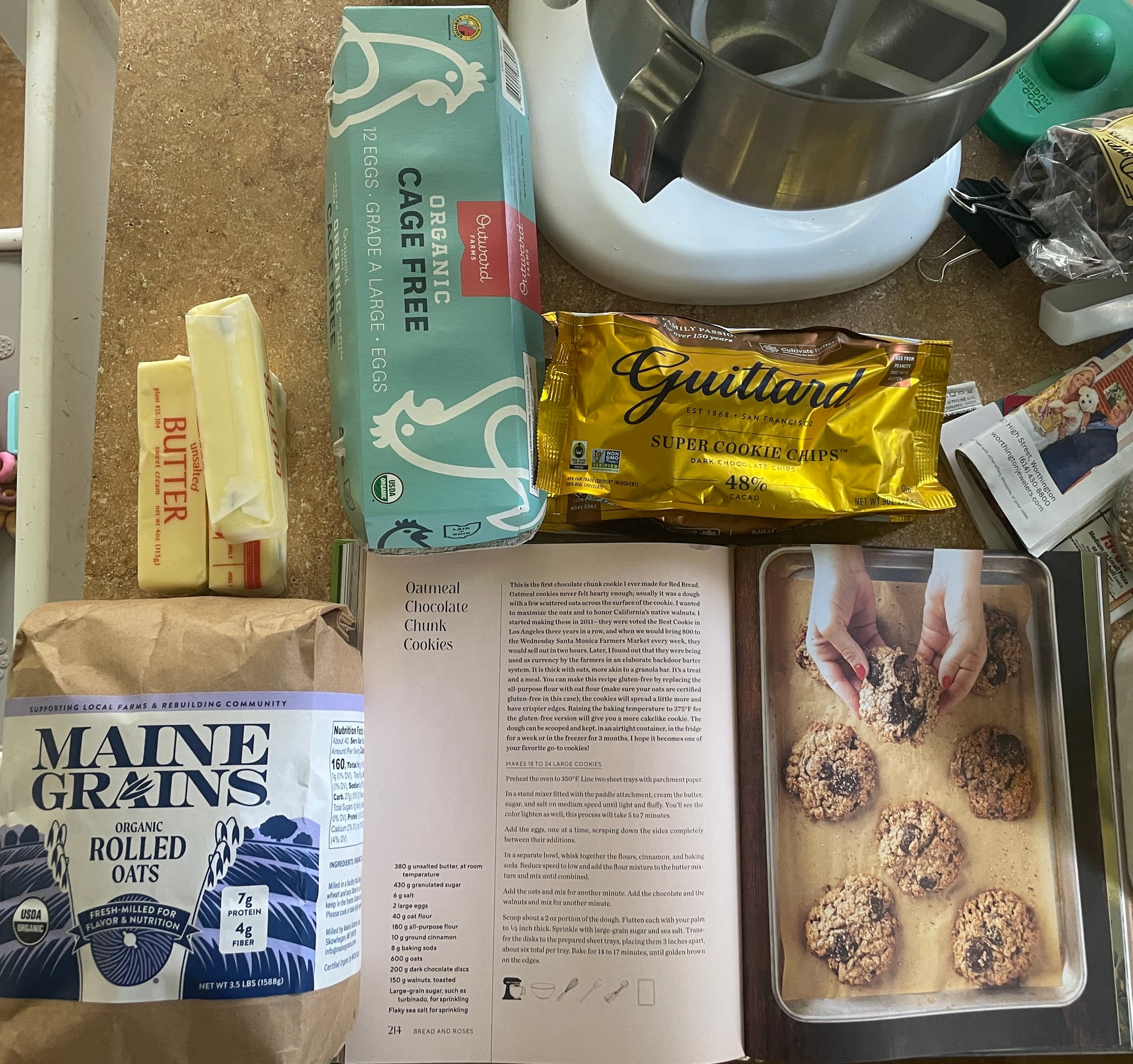
At my daughter's request, we made miniature cookies. But the big ones were better--they held more moisture, they could manage staying soft in the middle and crunchy on the outside. I also added more chocolate chips than the recipe (it is probably Sohla El-Waylly who suggests putting an extra chocolate chip in each one before baking).
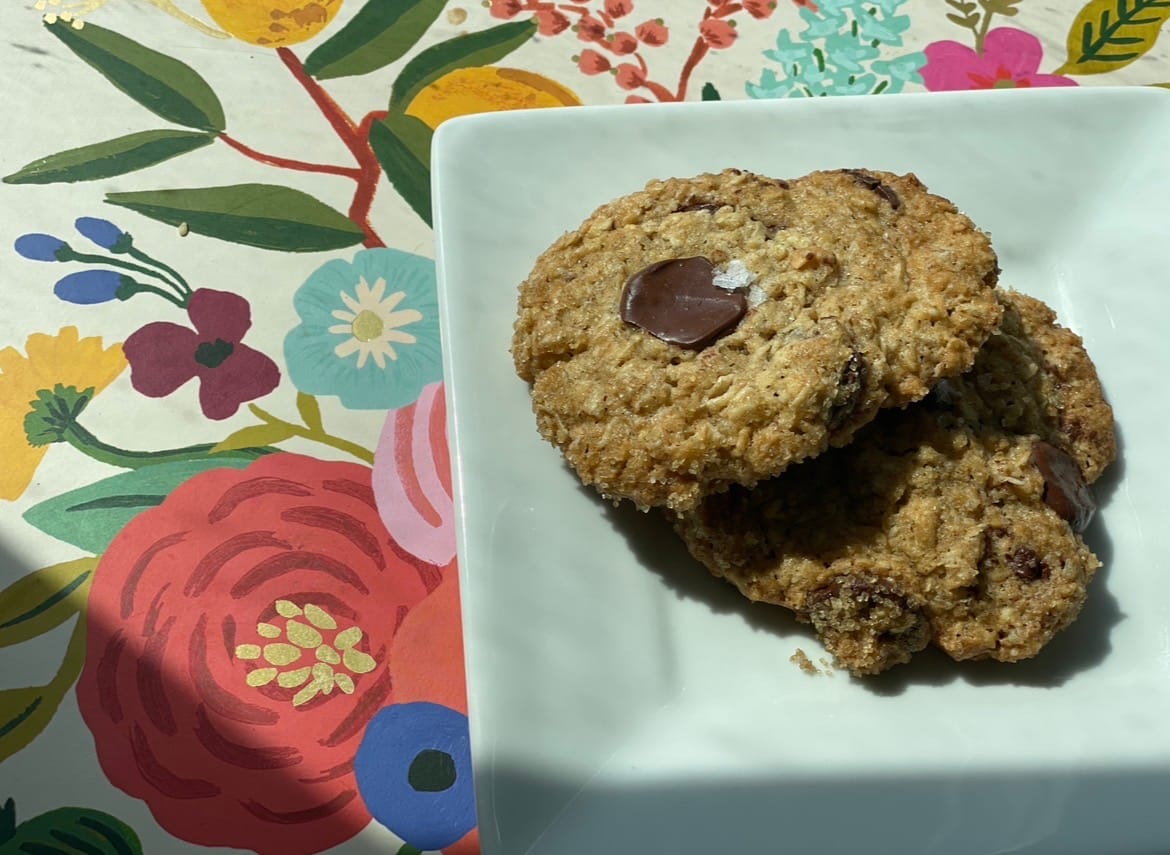
My oven is still half-working after our flood, so they're not my finest, but here are a few:
All right. I have more to tell you--pretzel sculptures! Butter cows! More soon. Subscribe, please, so I can write you another.